

Life in France · Paris region
Your student life in the Paris region, in real numbers
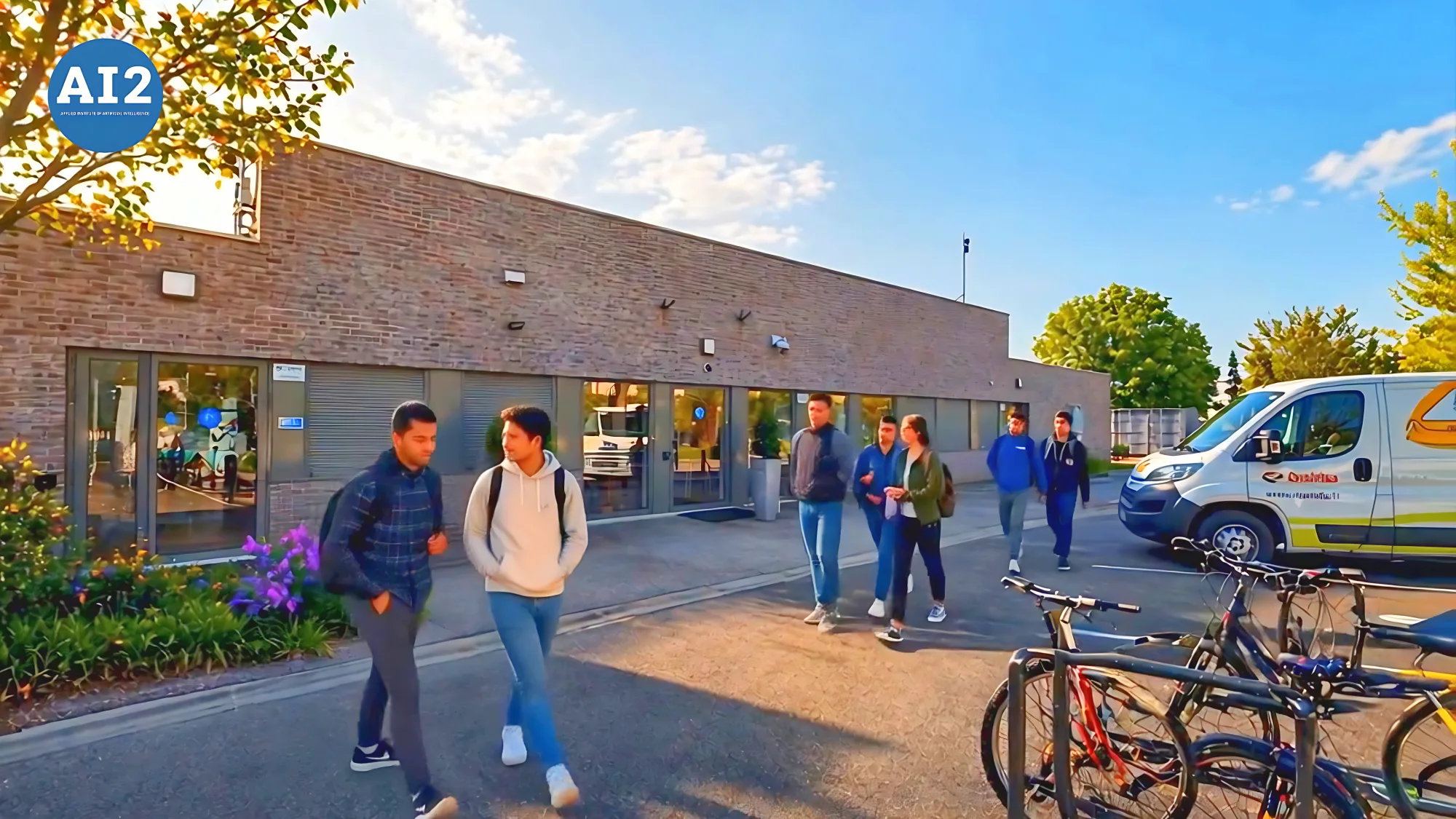
Budget, housing, transport, student jobs, discounts and health: everything an international student needs to plan a year at AI2. The campus is in Écouen, Val-d’Oise, about 22 minutes by train from Paris Gare du Nord.
Budget
What a month costs
Indicative monthly budget for one student living in the Paris region, before any financial aid. Living in Val-d’Oise near the campus costs less than living in central Paris.
For reference, the student union UNEF estimates the monthly cost of student life in Paris at about €1,618 in 2026, the highest in France. Sharing a flat near the campus in Val-d’Oise brings the budget down to about €900–1,100 a month. Tuition, the visa and travel to France come on top.
Housing
Where to live and what it costs
Start your search as soon as you receive your admission letter. Rents fall as you move away from central Paris: a shared room near the campus in Val-d’Oise costs about half the price of a studio in Paris, 22 minutes away by train.
CROUS residence
about €180–450The cheapest option, with very few places and priority for students on French government scholarships. Apply early.
Private student residence
about €700–1,000Furnished studio with services. The easiest option to book from abroad before you arrive.
Shared flat
from about €450 near the campusA room in a shared flat (colocation): about €450–650 in Val-d’Oise, €650–950 in Paris. The cheapest private option, and a good way to meet people.
Studio
about €900–1,400 in ParisYour own studio from a private landlord. Expect strong competition for each listing in Paris.
Average student rent by areaCharges included, 2026
Source: LocService, student housing market in Île-de-France, 2026.
Before you signFive rules that protect you
- Use the free Visale rent guarantee from Action Logement if you have no guarantor in France.
- Expect a deposit of one month’s rent unfurnished, two months furnished.
- Take out home insurance: it is required to move in.
- Never pay anything before a visit or a signed lease: rental scams are common.
- Do not count on CAF housing aid: since July 2026, non-EU students without a French government scholarship are no longer eligible.
Transport
Getting around the Paris region
Imagine R Étudiant
€393.30 a yearUnlimited travel in all of Île-de-France for 12 months, about €33 a month. For students under 26 in a programme of at least 350 hours. Plus €8 application fee. 2026–2027 price.
Navigo monthly
€90.80 a monthUnlimited travel in all zones for a calendar month. If you work, your employer reimburses half of your pass.
Line H to Écouen
22 minutesTransilien line H from Paris Gare du Nord to Écouen–Ézanville, with several trains an hour. Plan the last stretch on the Île-de-France Mobilités app.
Student jobs
Working while you study
A student residence permit lets you work up to 964 hours a year, 60% of full-time work, without a separate work permit. Your employer declares you to the préfecture before you start. Every hour is paid at least the French minimum wage.
After your degree: job search, work permits, the 10-year card and citizenship are explained on Why France & After Graduation. EU, EEA and Swiss students can work without this limit. Some nationalities follow bilateral agreements with their own rules: check your situation with admissions.
Student cards and discounts
Save money with your student status
ISIC card
about €13–16The international student card, digital or physical, with discounts on travel, culture, software and shops. Order it on isic.fr.
CROUS restaurants
€1 a mealA main dish and up to two sides in university restaurants, paid with the Izly app. Open to students with an active Izly account.
Museums and monuments
free under 26Most national museums and monuments are free for under-26s living in the EU, including students holding a French residence permit.
Cinema and culture
student ratesReduced prices in cinemas, theatres and concerts on showing your student card.
Travel in France
youth cardsDiscount cards for under-27s on SNCF trains, and low-cost options to explore France and Europe on weekends.
AI2 student card
at enrolmentProof of your student status for discounts, the Imagine R pass and your administrative procedures.
Health
Healthcare in France
French health insurance
Register with the Assurance Maladie on its online service for international students. It covers a large part of your medical costs.
Health top-up (mutuelle)
Optional but recommended, it covers what the public insurance does not. Students on low incomes can apply for the Complémentaire santé solidaire.
Your doctor
Declare a general practitioner to be reimbursed at the full rate. Book appointments online and find pharmacies everywhere.
Your first weeks
Six steps after you land
Emergency numbers
Sources and updates
Figures checked in October 2026 and given as an indication. Prices and rules change: always confirm on the official sites before deciding. Transport: Île-de-France Mobilités. Visa resources: decree of 22 June 2026. Work, health and housing aid: Service-Public.fr. CROUS meals and housing: etudiant.gouv.fr. Rents: LocService 2026. Cost of student life: UNEF 2026 survey.
Questions about life in France?
Our admissions team helps with housing, the visa and your arrival, from the admission letter to your first weeks.