
Canada plan stalled by a cap, a refusal or a long wait? France is a serious alternative. It has no study permit cap, asks for less proof of funds, opens Schengen travel and offers a job-search year after a master’s-level degree. Here is what you gain, what you give up, and how to switch.
You did the work for Canada: the IELTS, the transcripts, the savings. Then the plan became uncertain. None of that work is lost. Most of it can be reused for France, often at a lower cost. This guide is for students who are still choosing, and for those who have to rethink quickly.
⚠️ Important: no deposit, no enrolment certificate
AI2 issues your enrolment certificate only after your €5,000 deposit is paid. Campus France and the consulate ask for this certificate: without the deposit, your Études en France file and your visa application cannot go ahead.
Applying to AI2 is free: there is no application fee. If your visa or your Campus France file is officially refused, the deposit is refunded minus €300 of administrative fees, on presentation of the refusal letter. Pay only by the instructions in your AI2 documents, never to a personal account.
Why Canada plans stall in 2026 and 2027
Canada remains a strong destination, but it has become harder to enter. These are the official numbers:
- Fewer places. IRCC expected up to 408,000 study permits in 2026, of which only 155,000 for newly arriving students. Its 2026 to 2027 plan targets 150,000 new international student arrivals for 2027.
- More money to show. From 1 September 2026, a single applicant outside Quebec must show CAN$23,448 a year, excluding tuition and travel. It was CAN$22,895 before that date.
- Stricter work permit rules. The Post-Graduation Work Permit requires CLB 7 in all four language skills for degree graduates, and an eligible institution and programme.
- Attestation letters. Many applicants still need a provincial or territorial letter, although master’s and doctoral students at public institutions are exempt.
If you are admitted to a public university with strong funds, Canada can still be the right choice. If you are not, an open-ended wait has a real cost: a lost year.
Canada and France: the numbers side by side
| Canada | France | |
|---|---|---|
| Permit cap | National cap: 155,000 new students in 2026 | No study permit cap |
| Funds to show, per year | CAN$23,448, about €15,000 | €10,530 (€877.50 a month) |
| Average or public tuition, master’s | CAN$24,028 average, international graduate, 2025/2026 | €3,950 a year at public institutions; private schools cost more |
| Permit fees | CAN$150, plus CAN$85 biometrics | €50 reduced student visa, plus €100 on validation, plus the Campus France fee of your country |
| Work during term | 24 hours a week off campus | 964 hours a year |
| After a master’s | Work permit of up to 3 years | 12-month job-search card, then employee, Talent or EU Blue Card routes |
| Regional access | Canada only | Short stays in the Schengen area |
Euro conversion at the ECB reference rate of 30 October 2026 (€1 = CAN$1.5606), rounded. Canadian tuition is a national average in constant dollars: your university’s price may differ. See also our full France vs Canada comparison.
Is France really cheaper?
On the money you must show, clearly: about €4,500 less a year. On tuition, it depends. French public universities are the cheapest route, but their English-taught places are limited and competitive. Private schools cost more. AI2’s MSc Year 1 is €12,500, from €10,500 with a scholarship. That is below the Canadian international graduate average of about €15,400.
Living costs also matter. Campus France advises budgeting €800 to €1,500 a month, with Paris and its region at the higher end. Check our full cost guide before you decide.
Access to Europe: what it really means
This is France’s clearest advantage over Canada, and also the point most often exaggerated.
- What you get. With a valid French long-stay visa or residence permit and a valid passport, you can travel to other Schengen countries for up to 90 days in any 180-day period.
- What you do not get. It is not a right to live or work in another country. For that, you need that country’s own permit.
- The long-term route. An EU Blue Card can make a later move to another EU country easier: after a period in the first country, you can apply in the second one.
In practice, an AI2 student can go to a conference in Berlin, a job fair in Amsterdam or an interview in Barcelona without applying for a new visa, as long as the short-stay rules are respected.
Staying in France after your degree
Canada’s work permit is longer. France’s path has more steps, but it leads to solid long-term permits:
| Route | Minimum gross pay | Validity |
|---|---|---|
| Job-search or business-creation card | Linked job from €2,800.53 a month | 12 months, not renewable |
| Talent card, qualified employee | €39,582 a year | Up to 4 years |
| EU Blue Card | €59,373 a year | Up to 4 years |
Thresholds are revised regularly, so check them on your application date. Indian graduates have a specific France-India route of up to two years. Read our guide to working in France after graduation for the conditions, and ask your préfecture to confirm that your diploma qualifies. No school can promise you a job or a permit: AI2 does not, and you should distrust anyone who does.
Already refused, or tired of waiting? How to switch
You can move faster than you think, because you already have most of the documents.
- Reuse your file. Your transcripts, degree, English test and financial records are the core of a French application.
- Apply to the school first. With an admission letter, you follow the “Je suis accepté” route on Études en France.
- Tell the truth. A Canadian refusal does not automatically stop a French application, but answer every form honestly. Be ready to explain why France fits your project at your Campus France interview.
- Pick a realistic intake. Visa files take time, so choose the intake that leaves you room.
When Canada is still the better choice
An honest comparison has two sides. Stay with Canada if you hold an offer from a public university, can show the funds without strain, and value a work permit of up to three years above everything else. Choose France if you want a clear timeline, lower proof of funds, access to Europe, or an applied programme in AI and data taught in English.
Where AI2 fits if you choose France
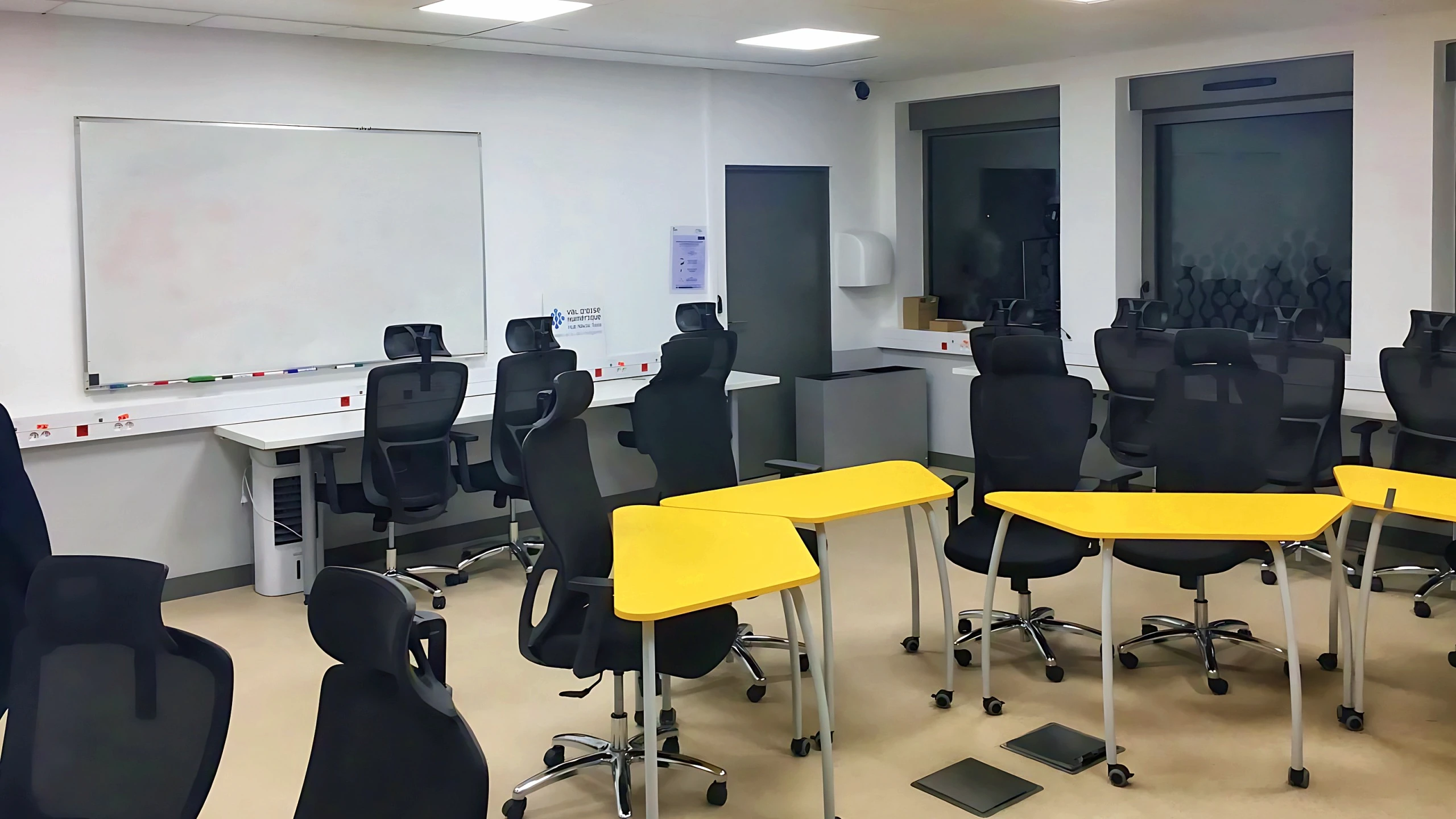
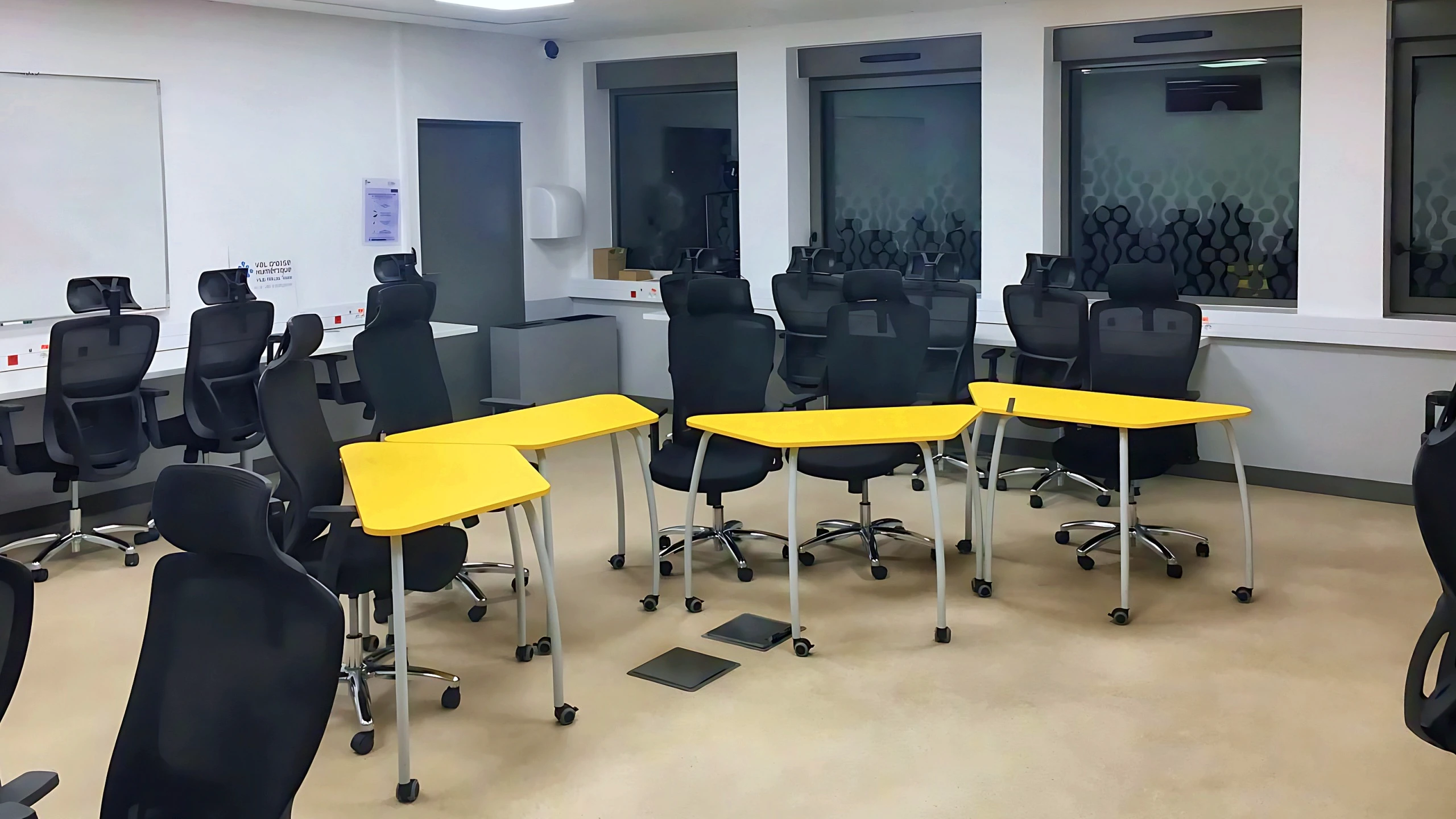
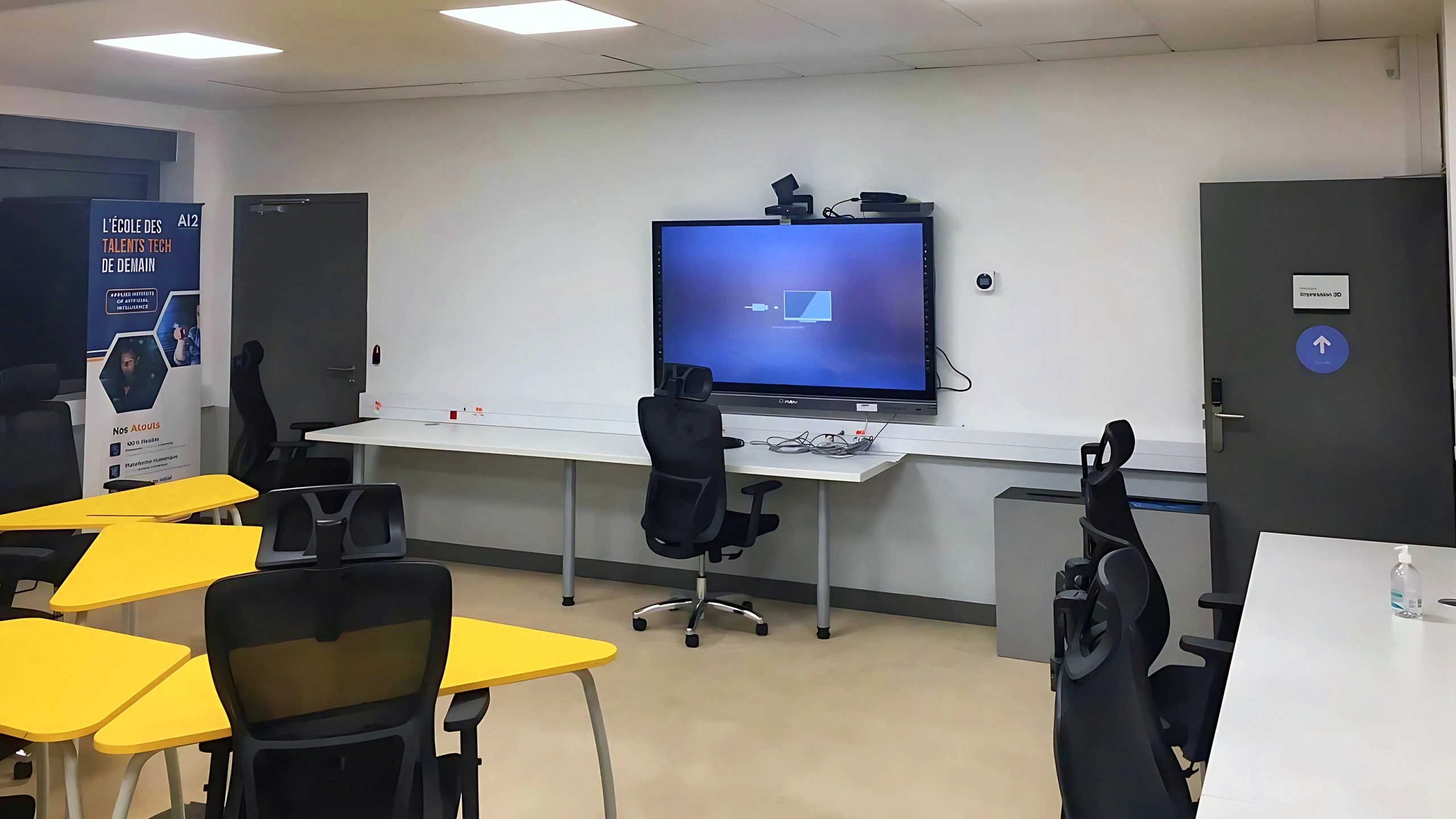
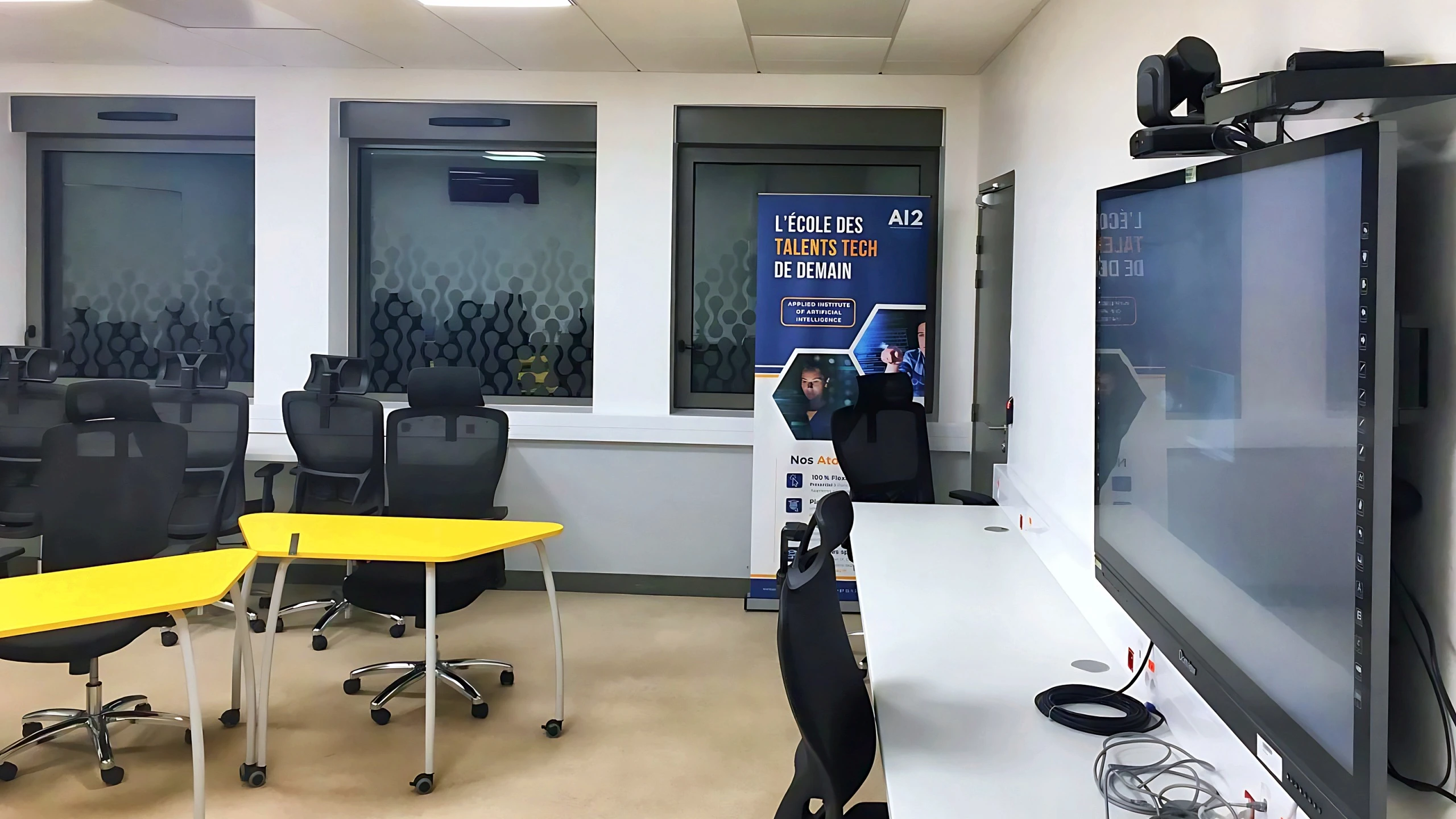
AI2 is a French school of applied AI and data science at Écouen, 22 minutes from Paris Gare du Nord. Its programmes are taught 100% in English and prepare State-recognised RNCP titles at Levels 6 and 7.
| Programme | Tuition | Start |
|---|---|---|
| Bachelor in Applied AI, Years 1 and 2 | €9,000 a year | February, May or September 2027 |
| MSc, Year 1 | €12,500, from €10,500 with scholarship | February, May or September 2027 |
| MSc, 18-month direct entry | €13,000 single fee, from €11,300 with scholarship | See tuition fees |
| Fast-Track Data Science, 11 months | €12,500, or €11,000 before 15 November 2026 | February 2027 |
Frequently asked questions
Is France a good alternative to Canada?
Yes, for many students. France has no study permit cap, a lower proof of funds at €877.50 a month, Schengen short-stay travel and a one-year job-search permit after a master’s-level degree. Canada still offers a longer post-graduation work permit, of up to three years.
Is studying in France cheaper than in Canada?
Usually, yes. Canada asks for CAN$23,448 a year on top of tuition, about €15,000, while France asks for about €10,530. Average international graduate tuition in Canada was about CAN$24,028 in 2025/2026. French public master’s fees are €3,950 a year, and private schools cost more: AI2’s MSc Year 1 is €12,500.
Can I apply to France after a Canadian study permit refusal?
Yes, you can apply. A Canadian refusal does not automatically stop a French application, because France decides on its own criteria. Answer every question on your forms truthfully and be ready to explain your new study plan at the Campus France interview.
Does studying in France give access to all of Europe?
It gives short-stay travel, not a right to live or work everywhere. With a valid French long-stay visa or residence permit, you can visit other Schengen countries for up to 90 days in any 180-day period. Living or working in another country needs that country’s own permit.
Can I stay in France after my degree?
Often, yes, if you qualify. Master’s-level graduates can request a 12-month job-search or business-creation card, which is not renewable. You then move to an employee card, Talent card or EU Blue Card. Check with your préfecture that your diploma qualifies. None of this is guaranteed.
Do I need to speak French?
Not for AI2’s programmes, which are taught in English. French helps with daily life and with some jobs.
When can I start in France?
AI2’s 2027 intakes are February, May and September. If your Canada plan has just stalled, May or September usually leaves enough time for Campus France and the visa.
Sources checked in October and November 2026: IRCC: proof of funds · IRCC: PGWP eligibility · Statistics Canada: tuition 2025/2026 · Campus France: tuition fees · Service-Public: student visa and resources · Service-Public: job-search permit · Latvian Foreign Ministry: Schengen travel with long-stay permits
Send your file to AI2: admissions reviews it, holds an online interview and confirms your programme, tuition and scholarship in writing.