
Yes, becoming an AI engineer is hard, but it is hard in predictable ways. Most people struggle with the same five things: maths, production code, messy data, deployment and tools that keep changing. Here is how long it really takes from where you are now, and what to do first.
In short: becoming an AI engineer usually takes about five years after secondary school, or 11 months to two years if you already hold a scientific degree. You do not need a PhD. You do need solid Python, working maths, the ability to ship a model into production, and evidence of real projects.
The short answer, by starting point
How hard it feels depends mostly on what you already know. These are the realistic routes.
| Your starting point | Realistic route | Typical time | Hardest part for you |
|---|---|---|---|
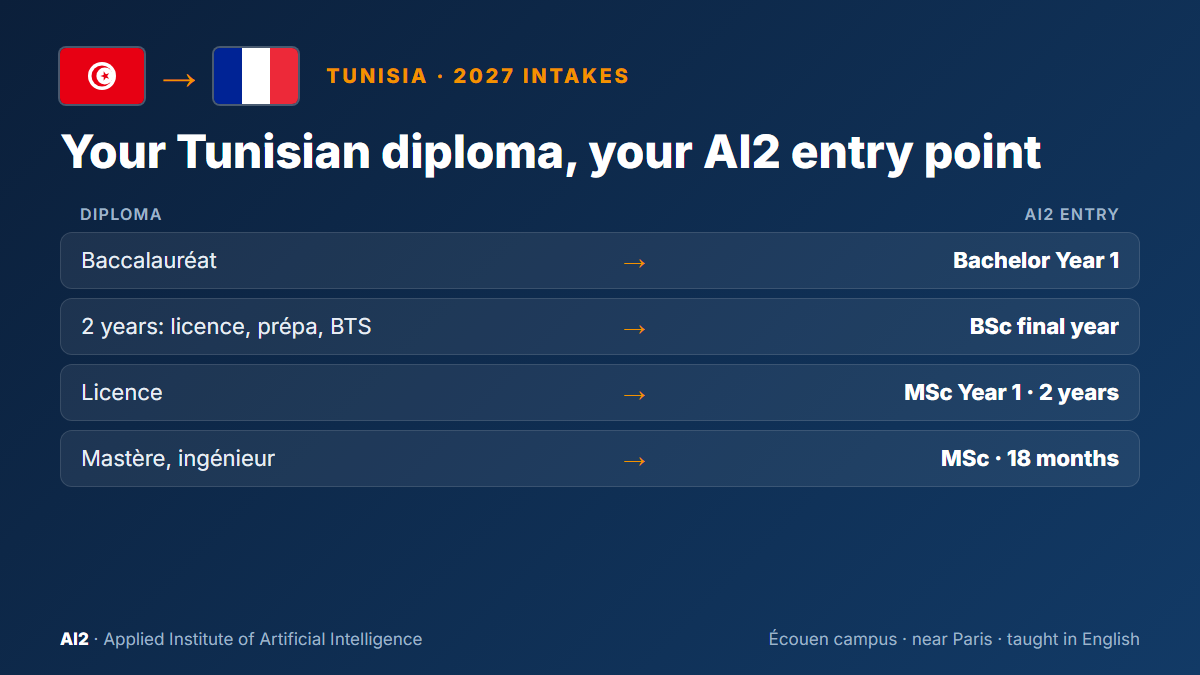
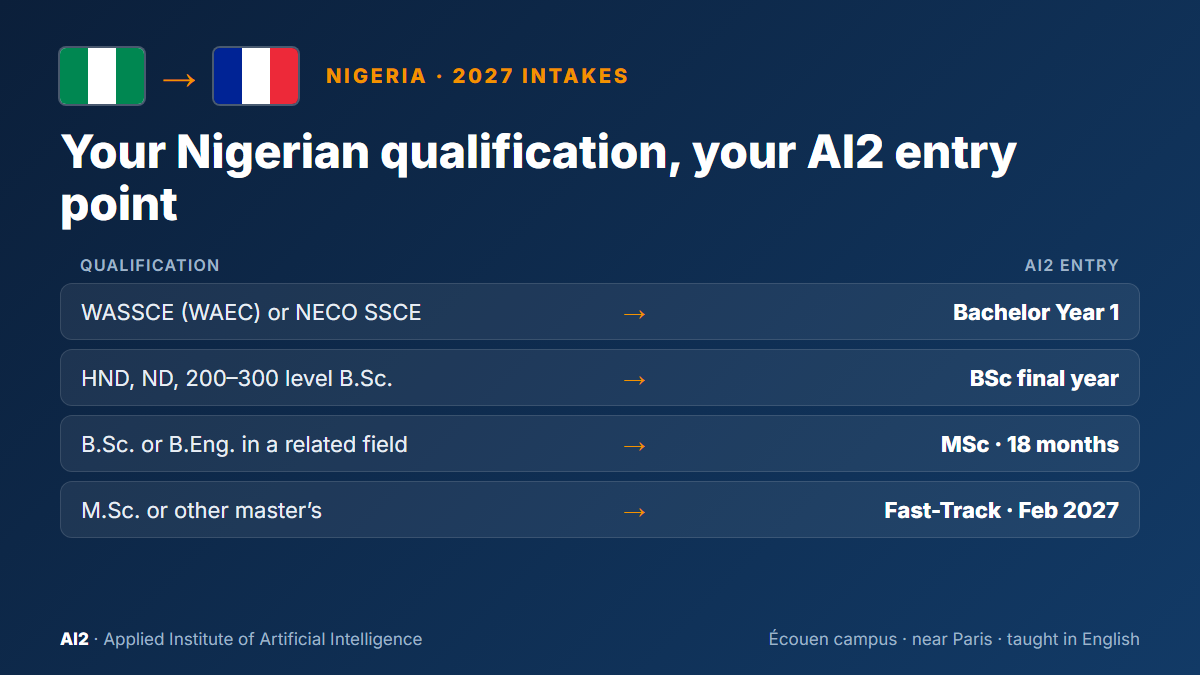
| Finishing secondary school | Bachelor’s, then master’s-level programme | About 5 years | Staying motivated through the maths |
| Bachelor’s in computing or engineering | MSc in applied AI or data science | 18 months to 2 years | Moving from coursework to production |
| Master’s or engineering degree in a scientific field | Fast-Track with a long internship | 11 months at AI2 | Pace, and applying theory to real data |
| Working software developer | Machine learning courses plus projects | About 6 months of evening study at 10 hours a week (AI2 calculation), then real projects | The statistics, and proving it without an AI job title |
| No technical background | Python first, then one of the routes above | Add several months before you start | Learning to code and to think in data |
Why it is hard: the five real difficulties
- The maths. You do not need to invent new theorems, but linear algebra, probability and statistics explain why a model works or fails. Many beginners give up here, usually because they try to learn it all before building anything.
- Code that survives. A notebook that runs once is not engineering. You need clean Python, tests, version control and, for some roles, a faster language such as C++.
- Messy data. Real company data is incomplete, duplicated and badly documented. Much of the work happens before any model is trained.
- Production. A model on your laptop is the easy part. Serving it, monitoring it, updating it and controlling its cost is what separates an AI engineer from someone who has followed a tutorial.
- Constant change. Tools move quickly. The TensorFlow Developer Certificate ended with a last exam on 31 May 2024, and Microsoft retired its well-known Azure AI Engineer certification on 30 June 2026. You will keep learning for your whole career.
What is easier than people think
- Starting. The Machine Learning Specialization from Stanford Online and DeepLearning.AI asks only for secondary school maths and basic code.
- Finding good material. Google’s Machine Learning Crash Course, fast.ai and the Inria scikit-learn course are free. See our list of free AI courses with certificates.
- Doing without a PhD. Onisep sets a five-year level as the minimum for machine learning engineers. A doctorate matters mainly for research and university teaching.
- Reusing what you know. Developers, statisticians and engineers already hold a large part of the skill set.
The skills you need, and how to prove them
| Skill | Level to reach | Evidence a recruiter can check |
|---|---|---|
| Python | Write tested, reusable code, not only notebooks | Public repository with a README and tests |
| Maths and statistics | Linear algebra, probability, evaluation metrics | Explain why a model fails, and fix it |
| Machine learning | Train, compare and tune models with scikit-learn | One project on real data, with a baseline |
| Deep learning and generative AI | Work with neural networks, language models and retrieval | A small application that uses a language model |
| Production (MLOps) | Package, deploy and monitor a model | A deployed service, with monitoring |
| Communication | Explain trade-offs to non-specialists | A one-page project note |
A roadmap with real durations
These durations come from the official course pages. They assume you meet each course’s prerequisites, so add time for practice.
- Python and data. Learn Python, SQL and pandas. Free short courses from Kaggle Learn are a good start.
- First machine learning. Google’s Machine Learning Crash Course takes about 15 hours. The Machine Learning Specialization plans 2 months at 10 hours a week.
- Deep learning. The Deep Learning Specialization plans 3 months at 10 hours a week and expects intermediate Python and basic linear algebra. fast.ai offers 9 lessons of about 90 minutes, plus practice.
- Production. The IBM AI Engineering Professional Certificate plans 4 months at 10 hours a week, after Python basics.
- Real experience. Build two or three projects on real data, then look for an internship or a junior post. This step teaches more than any course.
Adding up the machine learning and deep learning courses gives about 240 hours, or close to 6 months at 10 hours a week (AI2 calculation). It does not include learning Python or building projects. See how long it takes to learn AI for every goal.
Is it worth the effort?
The market is real but selective, especially for beginners. In its April 2026 forecast, Apec, the French association for executive employment, expects 61,160 IT executive hires in France in 2026, up 4%, and links this demand partly to artificial intelligence. It also expects hiring of executives with under six years of experience to grow by only 1%, because employers prefer people who are quickly operational.
On pay, Onisep gives a starting range of €2,900 to €4,200 gross a month for machine learning engineers. Recruiter Silkhom’s barometer of 30 June 2026 reports €45,000 to €58,000 gross a year for junior AI engineers in Paris. These are market references, not promises. See also data scientist and ML engineer salaries in France.
Where AI2 fits
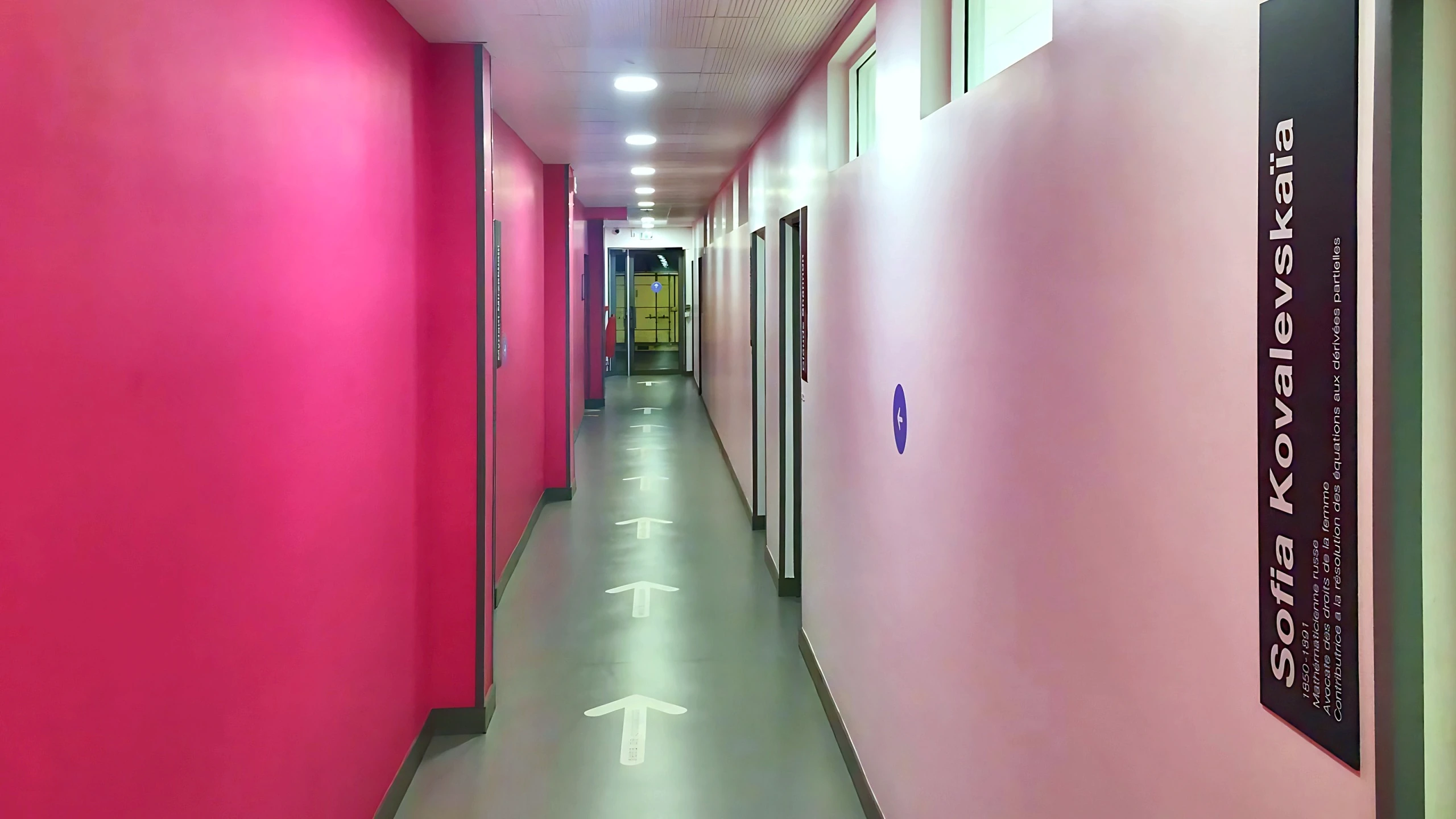
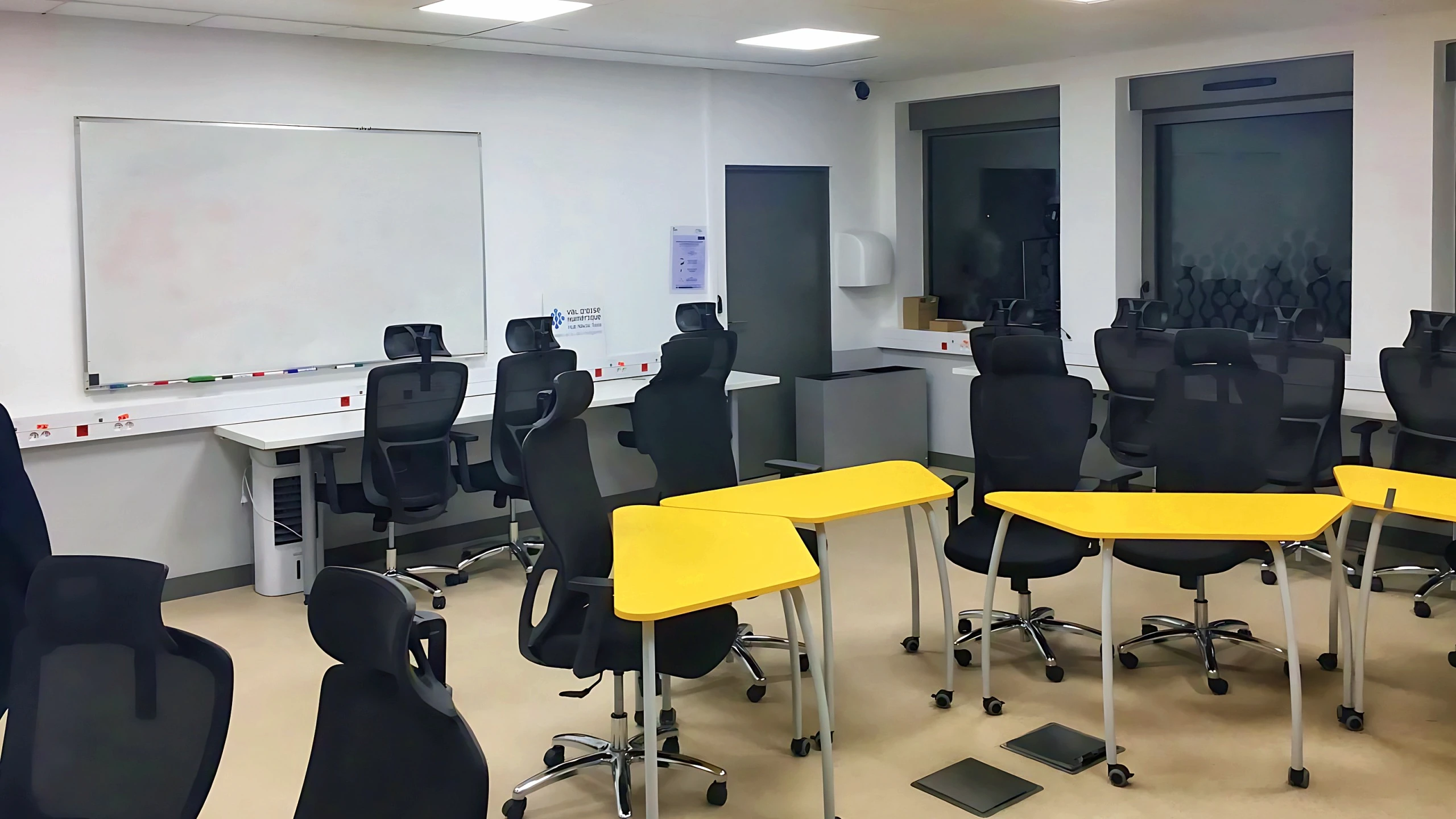
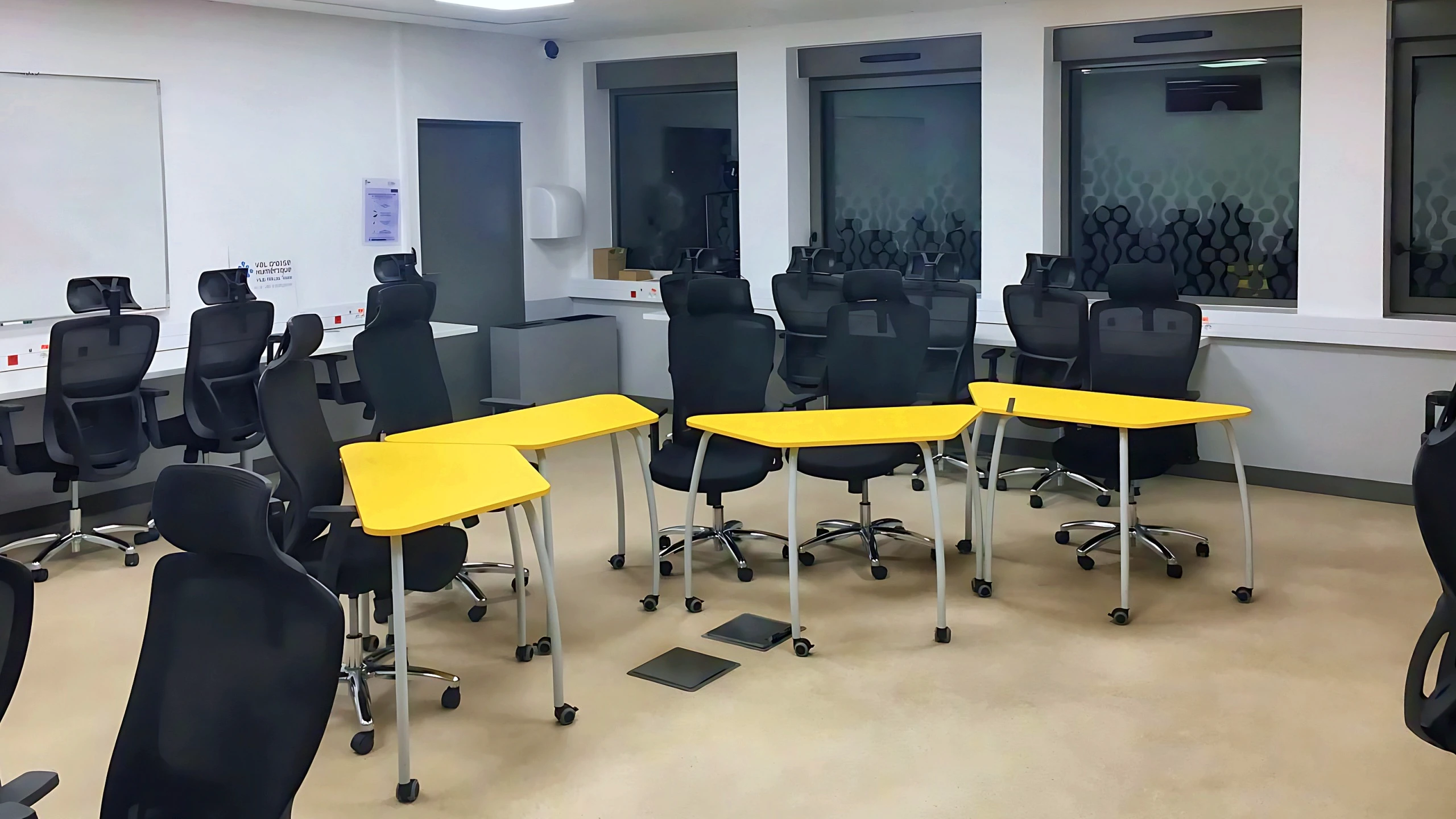
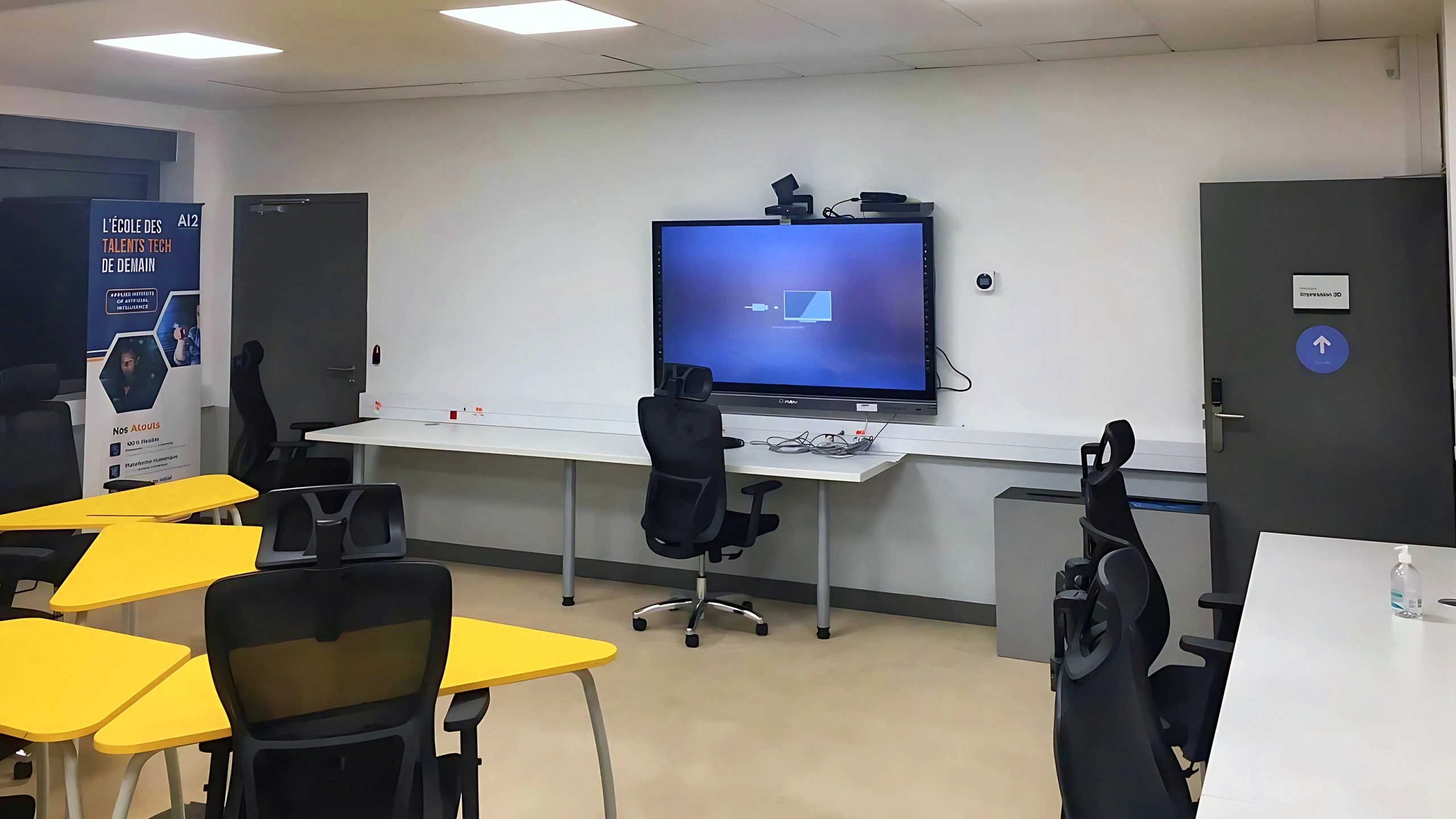
AI2 (Applied Institute of Artificial Intelligence) is a French school of applied AI and data science at Écouen, 22 minutes from Paris Gare du Nord. Its degree programmes are taught 100% in English and prepare RNCP titles at Levels 6 and 7, recognised by the French State. Students work on applied projects, and the MSc includes a six-month internship, because that is where the hardest part of this job is learned. Read which degree is best for an AI career to compare routes.
| Programme | Who it is for | Tuition | Start |
|---|---|---|---|
| Bachelor in Applied AI, Years 1 and 2 | After secondary school | €9,000 a year | February, May or September 2027 |
| MSc, Year 1 | After a bachelor’s degree | €12,500, from €10,500 with scholarship | February, May or September 2027 |
| MSc, 18-month direct entry | Direct entry, subject to your academic record | €13,000 single fee, from €11,300 with scholarship | See tuition fees |
| Fast-Track Data Science, 11 months | Engineering or scientific profiles | €12,500, or €11,000 before 15 November 2026 | February 2027 |
| Paris AI Summer School, 10 days | Anyone curious about applied AI | From €1,990 | 2027 sessions from 14 March |
Frequently asked questions
How hard is it to become an AI engineer?
It is demanding but learnable. The difficult parts are the maths, writing reliable code, cleaning messy data and putting models into production. From the end of secondary school, the usual route takes about five years. With a scientific degree, it can take from 11 months to two years.
Is AI engineering harder than software engineering?
It asks for more maths and statistics, and models fail in less predictable ways than ordinary code. Good software engineering skills remain essential, so many developers move into AI by adding machine learning and deployment to what they already know.
Do I need a PhD to become an AI engineer?
No. France’s Onisep lists a five-year level, a master’s or engineering degree, as the minimum for a machine learning engineer. A doctorate is needed mainly for research and university teaching.
Can I become an AI engineer without a degree?
It is possible but rare, and harder to prove. Online courses can teach the skills, yet recruiters usually look for a five-year qualification for this job. Without one, a portfolio of real, deployed projects becomes essential.
How much maths do I need?
You can start with secondary school maths: the Machine Learning Specialization asks for no more. To go further, you need linear algebra, probability and statistics. Deep learning courses recommend basic linear algebra before you begin.
How long does it take to become an AI engineer?
Usually five years after secondary school, for example a three-year bachelor’s and a two-year master’s-level programme. After a master’s, an engineering degree or a strong scientific background, a Fast-Track can take 11 months.
Is it worth it?
For people who like maths and building things, it can be. In France, Onisep gives a starting range of €2,900 to €4,200 gross a month for machine learning engineers, and recruiter Silkhom reports €45,000 to €58,000 gross a year for junior AI engineers in Paris. Entry-level hiring is selective, so no school can promise a job.
Sources checked in October and November 2026: Onisep: machine learning engineer · Silkhom: AI and ML salaries 2026 · Apec: executive hiring forecast 2026 · Coursera: Machine Learning Specialization · Coursera: Deep Learning Specialization · Coursera: IBM AI Engineering · fast.ai: Practical Deep Learning · TensorFlow: certificate closure · Microsoft: retired exams
Send your file to AI2: admissions reviews it, holds an online interview and confirms your programme, tuition and scholarship in writing.