Looking for a master’s in France you can complete in about a year? What “one year” really means in the French system, which routes exist, who can apply, and what the length of your programme changes for your student visa and your right to stay and work afterwards.
Is there such a thing as a one-year master’s in France?
Yes, but not as the default. The standard national master’s lasts two years.
France uses the European licence, master, doctorate structure. According to Campus France, a bachelor’s (licence) takes six semesters and 180 ECTS credits, and a master’s takes four more semesters and 120 ECTS. Each semester carries up to 30 credits. So the standard French master’s is a two-year programme, usually described as M1 and M2.
Some universities run a common first year (M1) that leads to different specialisations in the second year (M2). That structure is what makes one-year study possible: applicants whose earlier studies are judged equivalent to an M1 can sometimes apply directly to an M2, which lasts one academic year. Admission is decided by each institution, programme by programme.
Campus France also reminds students that the value of a French diploma is guaranteed by the State when it is a national diploma, a diploma approved by the Ministry (“diplôme visé”) or a title registered in the RNCP, the national register of professional certifications. Our explainer on RNCP level 7 qualifications shows how to read a certification sheet before you apply.
Which one-year master’s routes exist in France?
Four families of programmes, with very different entry rules.
| Route | Length | Who can apply | What to check |
|---|---|---|---|
| Direct entry into M2 of a national master’s | One academic year (two semesters) | Applicants whose previous studies are accepted as equivalent to M1 | Limited places; many programmes are taught in French; non-EU fees at public institutions are €3,950 a year in 2026-27 |
| Mastère Spécialisé (label of the Conférence des grandes écoles) | 12 months, 75 ECTS, including at least 350 hours of courses and an internship of at least four months with a thesis | Holders of a five-year degree, or four years of higher education plus at least three years of professional experience | A post-master diploma of the institution; fees are set freely; recruitment usually takes place outside the Campus France procedure |
| MSc labelled by the Conférence des grandes écoles | At least three semesters, 90 ECTS, 450 hours of instruction | Bachelor’s degree (3 to 4 years) or a one-year master’s (M1) | Usually 18 months or more, so not a one-year route despite the name |
| Accelerated programme preparing an RNCP level 7 title | Varies; for example 11 months for AI2’s Fast-Track | Set by each programme; often a four-year degree or a master’s | The RNCP code, level and certifier on France Compétences; the internship; the jury date |
Who is a one-year master’s right for?
Your previous degree decides which routes are realistic.
Three-year bachelor’s
Four-year degree (B.Tech, BE)
Master’s or five-year degree
What does “one year” mean for your student visa?
A shorter programme means a single visa period, with less room for delays.
Service-Public, the French administration’s official information site, sets out the rules for students from outside the EU:
- You first receive a long-stay visa equivalent to a residence permit (VLS-TS) marked “étudiant”, valid for 4 months to 1 year. You must validate it online within three months of arriving and pay a tax.
- If your studies continue after it expires, you apply for a student residence card between four and two months before the end of validity. After one year in France you can obtain a multi-year student card covering the years left in your study cycle.
- You must show resources of at least €877.50 a month, which is €10,530 for twelve months, in addition to tuition.
- With a student permit you may work up to 964 hours a year without a separate authorisation (Service-Public F2713). Internships of more than two months are paid at least €4.50 an hour in 2026 (F32131); our internship guide for international students covers the agreement and the rules.
The practical point for a one-year programme: the course, the internship and the final jury should all fall within the period covered by your residence document. A programme of eleven or twelve months is designed to fit the maximum validity of a first student visa, but the exact dates are set when the visa is issued, so check them against your programme calendar. Step-by-step help is on the AI2 visa guidance page.
Can you stay and work in France after a one-year master’s?
Yes, if the diploma is at master’s level and you apply on time.
This is the question most students forget. France’s job-search or business-creation permit (carte de séjour “recherche d’emploi/création d’entreprise”) does not depend on how long you studied, but on the level of the diploma. According to Service-Public (F17319, verified 1 June 2026), you can apply if you hold a student residence permit and obtained, within the last 12 months, a professional bachelor’s, a Mastère Spécialisé, a labelled MSc or another diploma at least equivalent to a master’s.
| Rule | What Service-Public says |
|---|---|
| When to apply | At the prefecture, in the two months before your student permit expires |
| If your diploma is not yet issued | A definitive certificate of success can be provided instead |
| Validity | One year, to look for a job or create a company related to your studies |
| Working during that year | Jobs must pay more than €2,800.53 gross a month; the 964-hour limit no longer applies |
| Cost in France | €150 in tax stamps |
| If you have left France | You can apply for the corresponding visa within four years of obtaining the diploma |
| Next step | A work-based permit, for example the talent permit for qualified employees from €39,582 gross a year (F16922) |
Titles registered in the RNCP at level 7 appear on the official list of diplomas at least equivalent to a master’s for residence purposes; Service-Public refers to that list, fixed by the order of 12 May 2011. The full picture, from internship to long-term residence, is in our guide to working in France after graduation.
How much does a one-year master’s cost in France?
| Route | Tuition signal | Source |
|---|---|---|
| M2 at a public university (non-EU student) | €3,950 for the year (2026-27) | Campus France, updated 25 June 2026 |
| Private higher education institution | About €6,000 to €18,000 or more a year | Campus France, updated 25 June 2026 |
| Mastère Spécialisé | Set freely by each institution | Campus France |
| AI2 Fast-Track in data science, 11 months | €12,500, or €11,000 for applications before 15 November 2026 | AI2 tuition fees page, read 29 October 2026 |
| Living costs for the visa | At least €877.50 a month, €10,530 for twelve months | Service-Public F2231, verified 1 August 2026 |
How to choose a one-year master’s: a six-point check
- 1Check the legal status of the diplomaNational master’s, labelled Mastère Spécialisé or MSc, or RNCP title: find the code and the level on the official record.
- 2Check the real lengthCount every month from the first class to the final jury, including the internship.
- 3Check your eligibilityOne-year routes expect a four- or five-year degree or a master’s. Ask whether your syllabus will be reviewed and whether there is a technical interview.
- 4Check the languageMake sure courses, exams and the final defence are all in English if you do not speak French.
- 5Check the company experienceA long internship in France is what turns a one-year diploma into a job offer. Ask how the search is supported.
- 6Check the calendar against your visaApply early: Campus France or France-Visas procedures and the visa appointment take time.
AI2’s Fast-Track: an 11-month option in data science
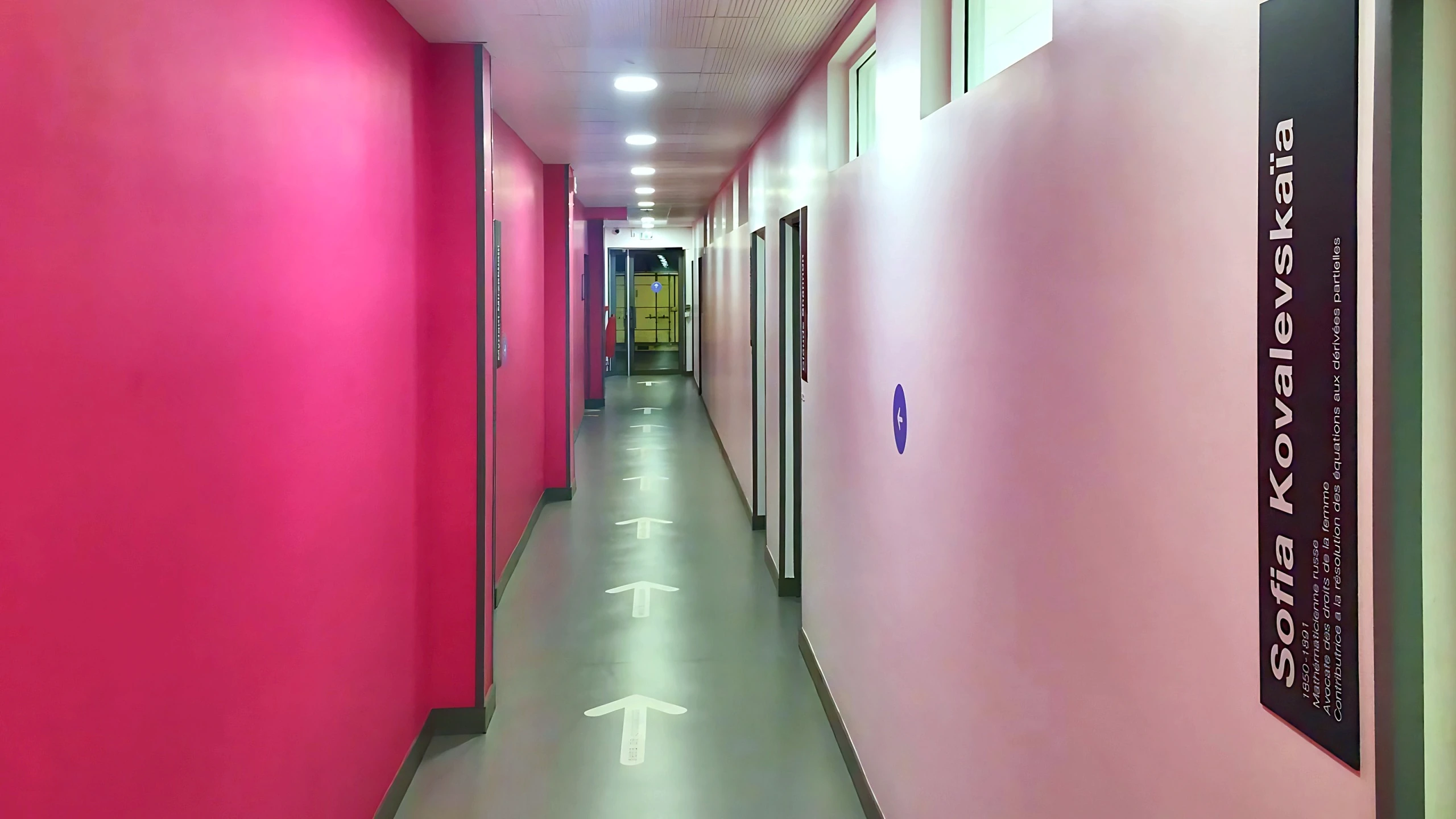
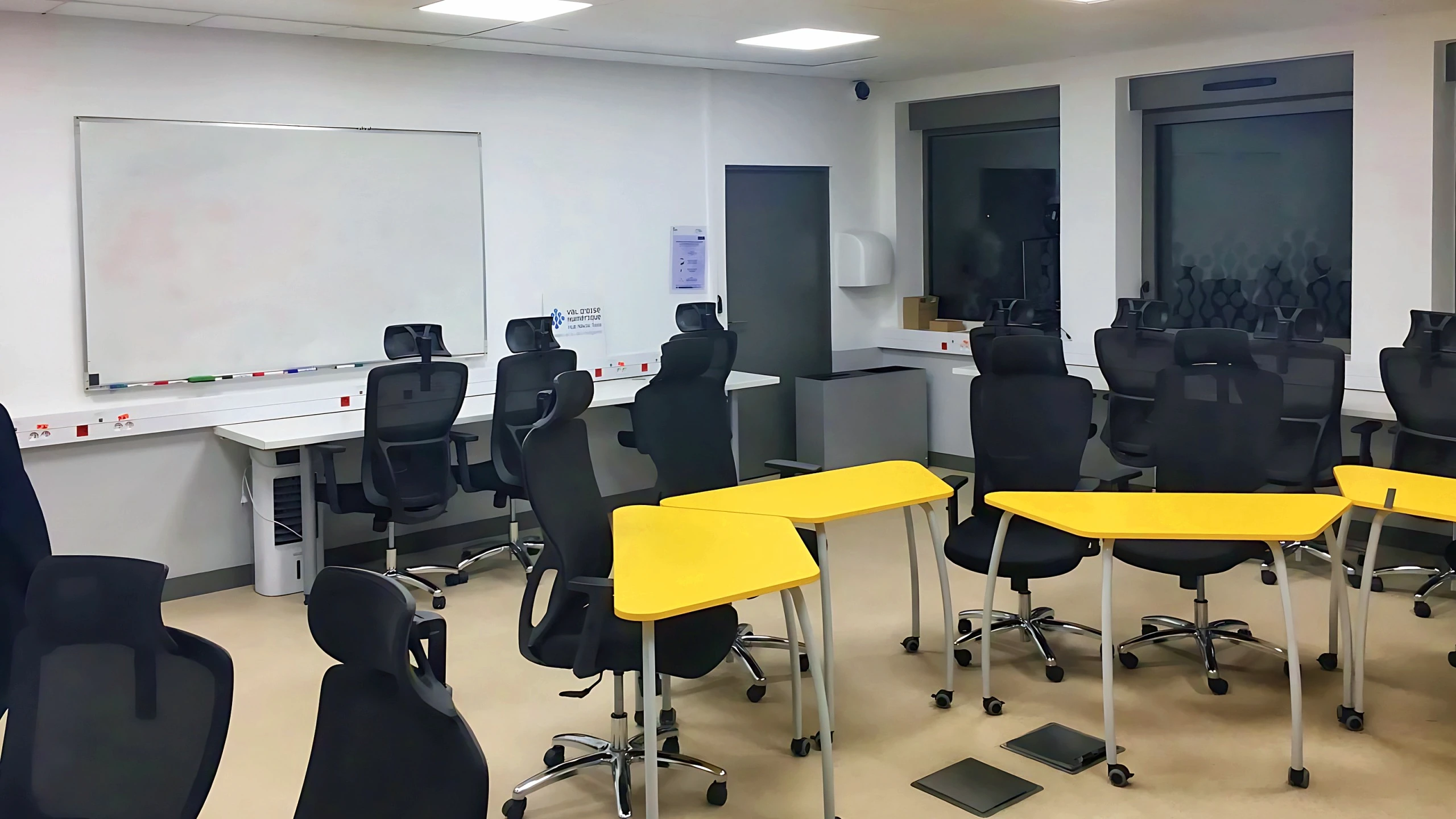
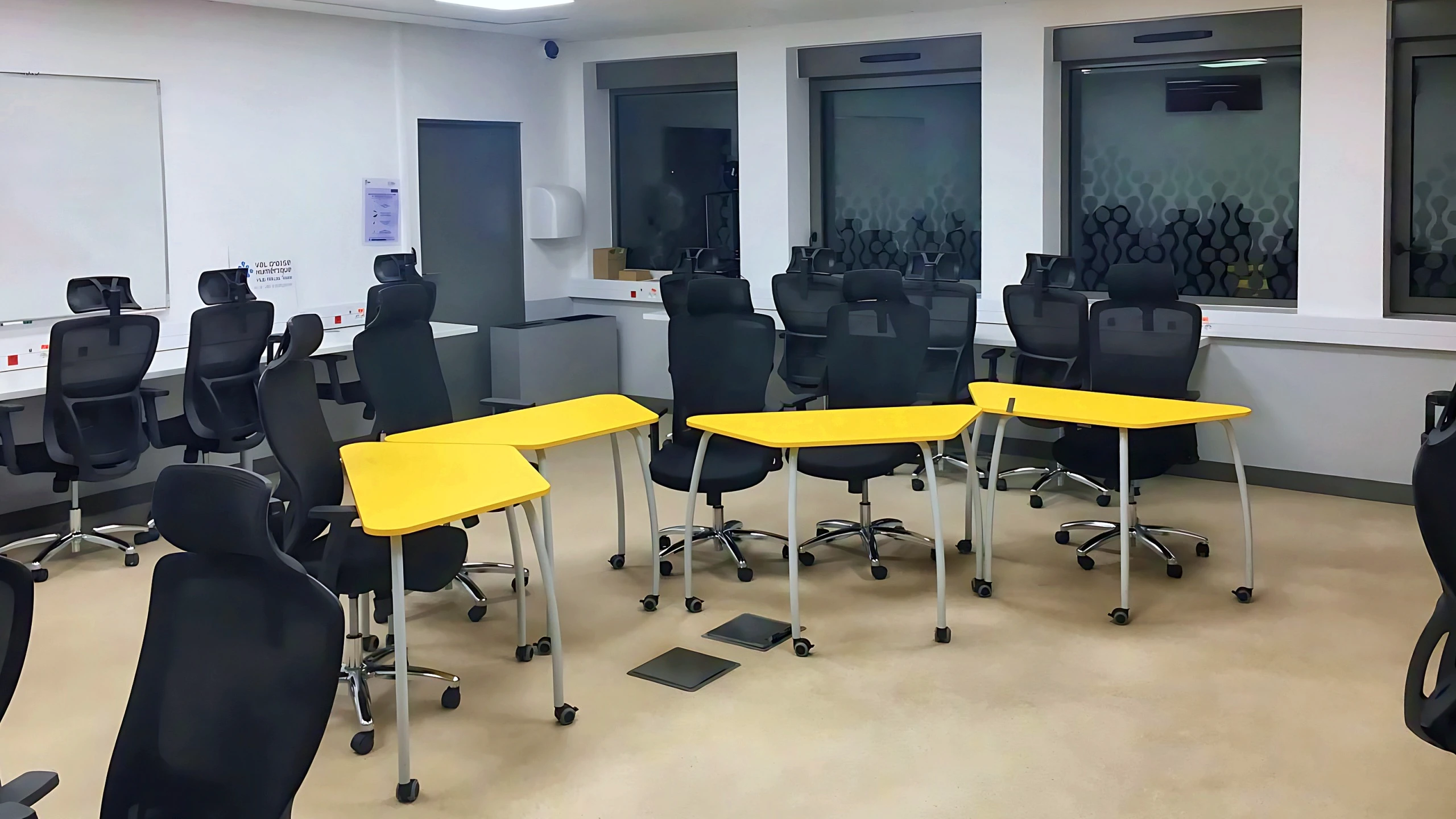
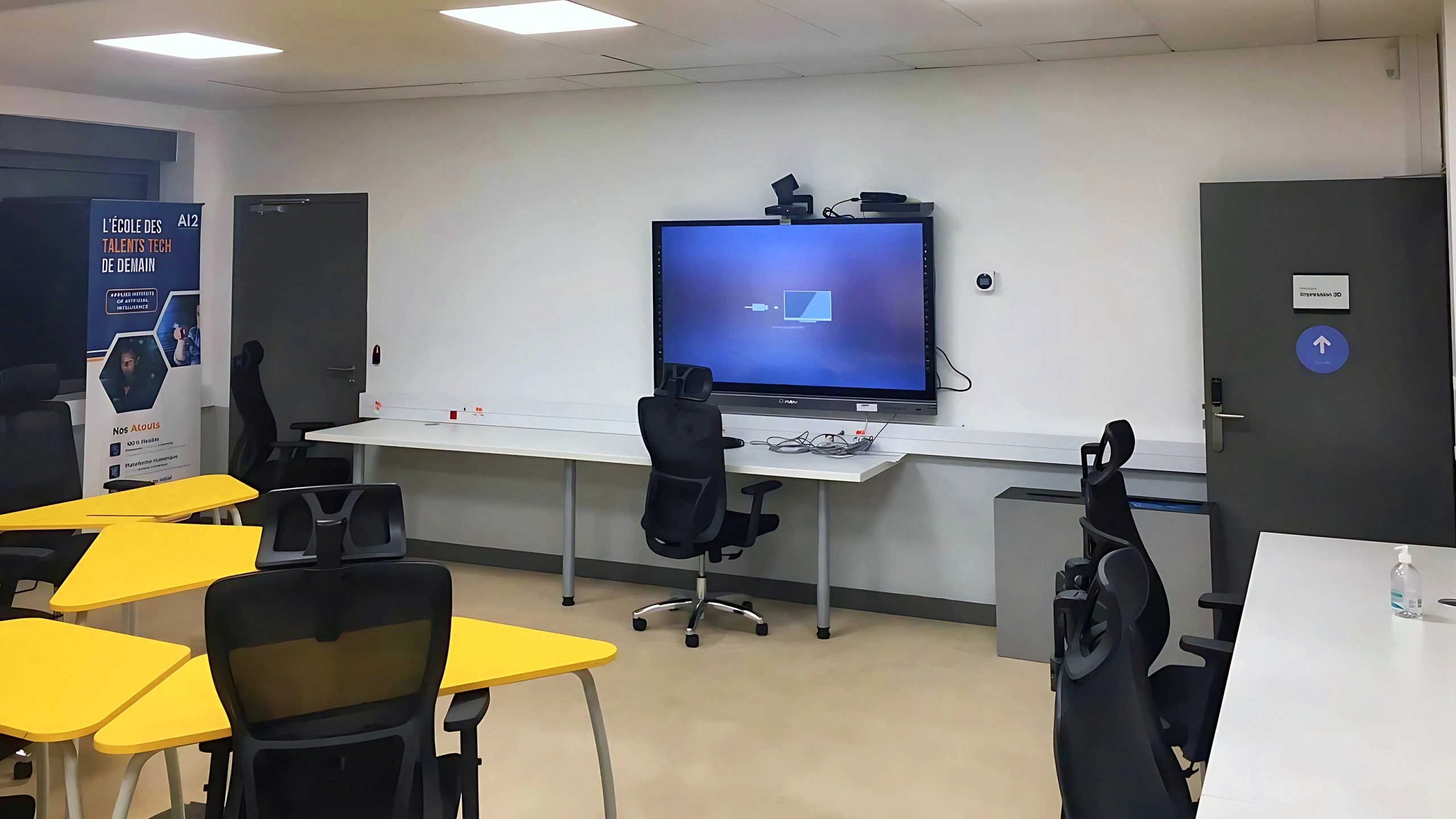
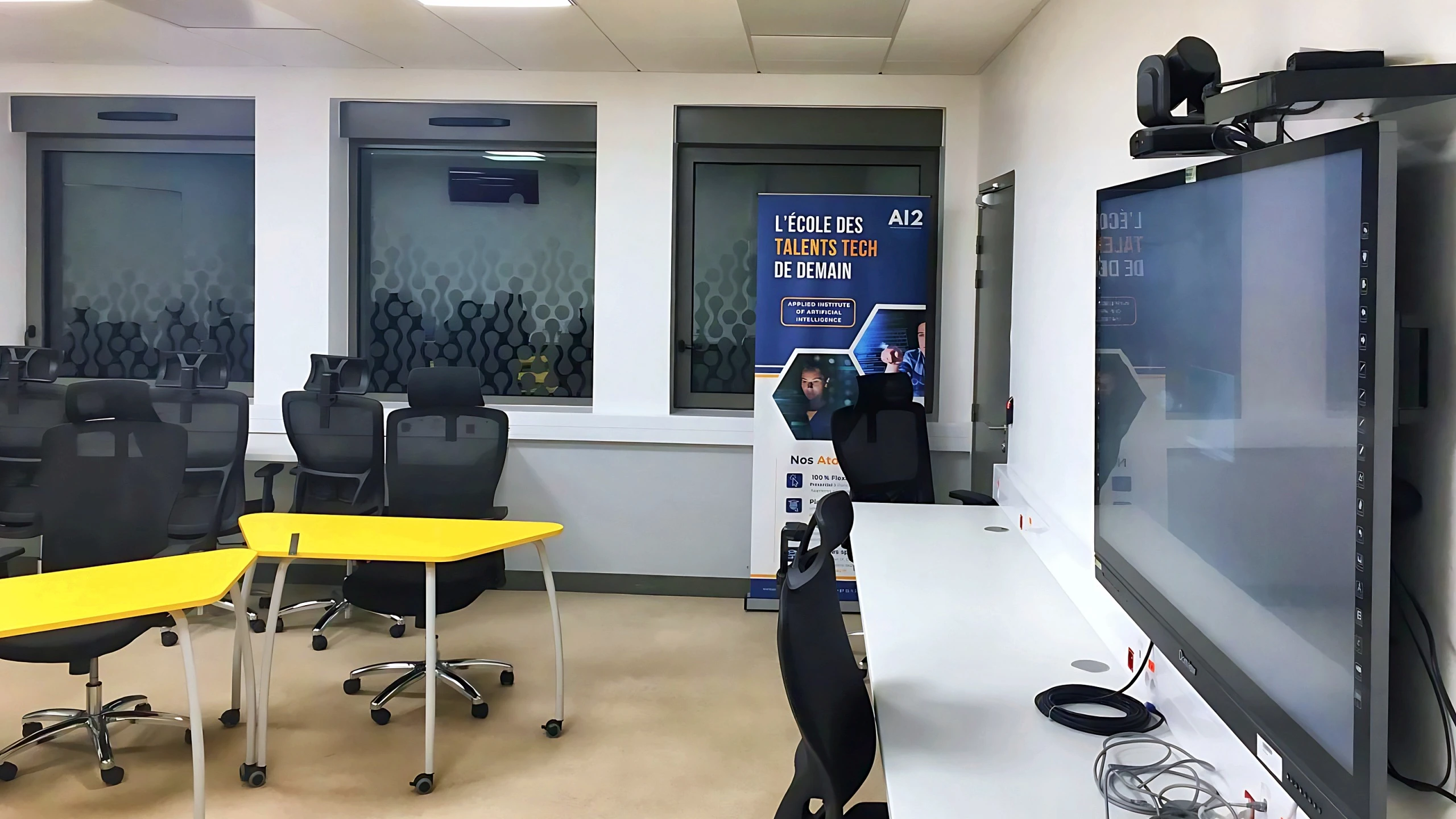
AI2, the Applied Institute of Artificial Intelligence, offers an 11-month format for experienced applicants in data science: the Fast-Track February of the MSc Applied AI and Data Science. It condenses Year 2 of the MSc into five months of intensive courses on the Écouen campus, 22 minutes from Paris Gare du Nord by Transilien line H, followed by six months in a company in France.
| Fast-Track feature | Detail |
|---|---|
| Calendar | February to June 2027 on campus (500 hours, 70% hands-on), July to December 2027 internship, jury and title at the end of December 2027 |
| Content | The four RNCP39978 competency blocks (224 hours) plus a 276-hour AI and data core: Python, machine learning, deep learning, generative AI and agents, NLP and computer vision, MLOps, business data |
| Entry | Four-year accredited B.Tech or BE (Washington Accord) or a master’s in a related field; Python, statistics and SQL checked at the admission interview |
| Language | 100% English, B2 required (IELTS 6.0, TOEFL iBT 72 or equivalent; waived if your degree was taught in English); no French required |
| Tuition | €12,500, or €11,000 with the Fast-Track scholarship for applications before 15 November 2026 |
| Key dates | Priority deadline and complete visa file 30 November 2026; enrolment and deposit by 15 December 2026 |
The Fast-Track leads to the same AI2 MSc diploma and prepares the same professional certification as the standard route: RNCP39978 « Architecte des systèmes d’information dans les processus industriels » (certifier DATAKOO, AI2’s parent company), registered in the RNCP at level 7, recognised by the French State at master’s level (EQF 7). AI2 prepares students for the internship from February, with CV coaching and offers from its network, and follows them monthly in the company. The professional project is defended before the RNCP jury.
If the Fast-Track does not fit your profile, AI2 also offers an 18-month direct entry into Year 2 for related four- or five-year degrees (February, May or September 2027, €13,000 or from €11,300 after scholarship), and the full two-year MSc after a three-year bachelor’s. Compare all formats on the MSc Applied AI and Data Science programme page and the AI2 tuition fees page. For a wider view of data programmes, see our guide to data science master’s near Paris taught in English, and for the career this prepares, the machine learning engineer career in France.
📘 Related guide: Masters in France for working professionals from India: 18-month entry, Fast-Track and visa questions.
Frequently asked questions
Can you do a master’s in one year in France?
Yes, in some cases. The standard national master’s lasts two years (120 ECTS), but students with advanced studies can enter the second year directly, take a 12-month Mastère Spécialisé after a five-year degree, or join an accelerated programme such as AI2’s 11-month Fast-Track in data science.
Is a one-year master’s recognised in France?
It depends on the diploma, not the length. Check whether it is a national master’s, a programme with an official label, or a title registered in the RNCP, and at which level. RNCP level 7 corresponds to master’s level (EQF 7).
Can I get the job-search permit after a one-year master’s?
Yes, if the diploma is at least equivalent to a master’s and you obtained it in the last 12 months while holding a student permit. According to Service-Public, you apply in the two months before your student permit expires, and the permit lasts one year.
How long is a student visa for a one-year programme?
The first long-stay student visa (VLS-TS) is issued for 4 months to 1 year. Check that its dates cover your courses, internship and final jury; if your studies continue, you apply for a student residence card before it expires.
Can I do a one-year master’s in France with a three-year bachelor’s?
Usually not. One-year routes generally expect a four- or five-year degree or a master’s. With a three-year bachelor’s, a two-year master’s is the normal route, for example AI2’s two-year MSc.
Is the MSc in France always a one-year programme?
No. Campus France describes MSc programmes labelled by the Conférence des grandes écoles as lasting at least three semesters with 90 ECTS. Always check the real calendar, including the internship.
Does AI2 offer a one-year master’s?
AI2 offers an 11-month Fast-Track of its MSc Applied AI and Data Science, starting in February 2027: five months on campus near Paris and a six-month internship in France. It is open to four-year engineering graduates and master’s holders, and costs €11,000 for applications before 15 November 2026, then €12,500.
Sources consulted on 29 October 2026: Campus France: French degrees, LMD system and equivalences · Campus France: The Mastère Spécialisé programs (January 2020, PDF) · Campus France Maroc: la licence, le diplôme national de master et le mastère spécialisé · Campus France: tuition fees 2026-27 (updated 25 June 2026) · Service-Public: student visa and residence permit, F2231 (verified 1 August 2026) · Service-Public: job-search or business-creation permit, F17319 (verified 1 June 2026) · Service-Public: talent permit, F16922 (verified 1 June 2026) · Service-Public: work for foreign students, F2713 (verified 7 October 2025) · Service-Public: internship gratification, F32131 (verified 1 January 2026) · AI2: MSc Applied AI and Data Science, Fast-Track curriculum · AI2: tuition fees 2027
Apply before 15 November 2026 for the €11,000 Fast-Track rate. AI2’s admissions team reviews your degree, holds an online interview with a technical check and confirms your format and tuition in your admission letter. Priority deadline: 30 November 2026.